


Monash University FODMAP diet
4.3622.00 Reviews
App Specs
- Version
- 3.4.4
- Updated On
- License
- $9.00
- Downloads
- 500,000+
- Developer
- Monash University Low FODMAP diet team
- Categories
- Medical
- Platform
- Android, iOS
Screenshots
 Analysis by AppCompare
When digestive symptoms make ordinary meals feel like guesswork, a useful food reference can bring some order to the day. I would consider Monash University FODMAP diet if I wanted a practical companion while learning which foods might affect me, rather than relying on scattered searches or memory. It is a paid medical app from the Monash University Low FODMAP diet team, and its strongest appeal is that it focuses specifically on the low FODMAP approach instead of trying to manage every kind of diet.
What I would decide before downloading
The key question is whether you are following this diet with a clear purpose and, ideally, guidance from a clinician or dietitian. Low FODMAP eating is commonly approached in stages: identifying possible triggers is not the same as avoiding every food marked high forever. I would use the app to support decisions and keep observations organized, not as a diagnosis or a substitute for individualized medical advice.
That distinction matters because a food’s label is not a personal verdict. Portion size and the combination of foods in a meal can affect how a meal fits your plan, and individual tolerance varies. Before changing your diet substantially, I would check with a qualified professional, especially if symptoms are persistent, severe, or accompanied by other health concerns. The app is most useful when it helps you ask better questions, rather than encouraging you to make the rules more restrictive on your own.
It costs $9.00, so I would think of it as a focused reference purchase rather than a free meal-planning experiment. The app is rated for Everyone, has a 4.2 average from around 4,400 ratings, and has been installed over 500,000 times. Those figures suggest it is widely used, but they do not tell me whether its approach is right for a particular person. I would decide based on whether I expect to consult a food guide regularly and whether the specialist focus is worth paying for.
Why the Hype About FODMAP?
Before diving into the app itself, let’s chat briefly about FODMAPs. They stand for Fermentable Oligo-, Di-, Mono-saccharides and Polyols. These are specific types of carbohydrates that can wreak havoc on your digestive system if you're sensitive to them. The low FODMAP diet, developed by Monash University, is designed to help you figure out which foods are your personal culprits.
Getting Started with the App
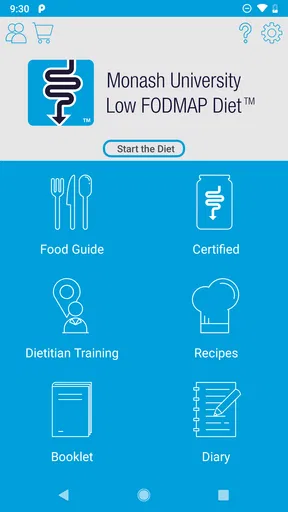
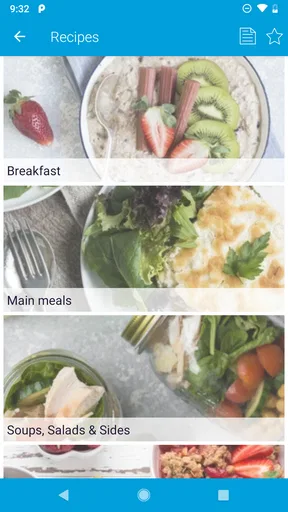
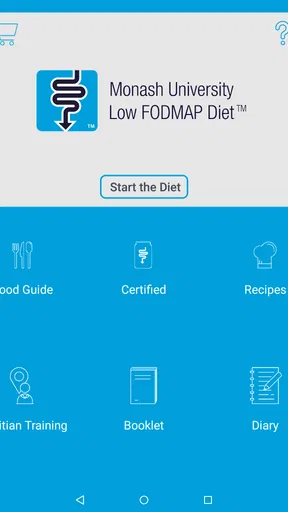
Once you download the Monash University FODMAP diet app, you’ll find it user-friendly right off the bat. The interface is clean and intuitive, which makes navigating through it pretty straightforward. The main menu is divided into several sections, including a food guide, a list of recipes, and a section for symptom tracking.
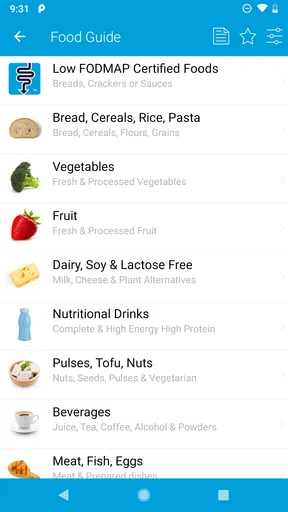
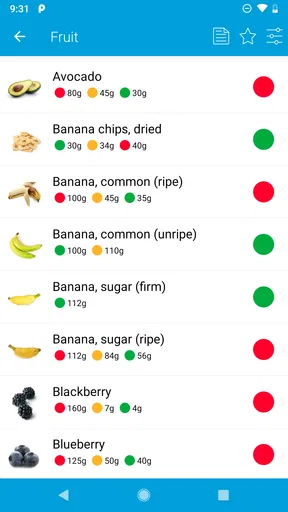
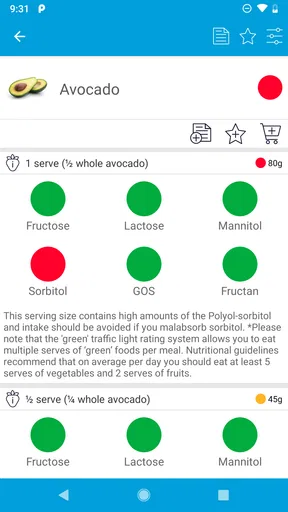
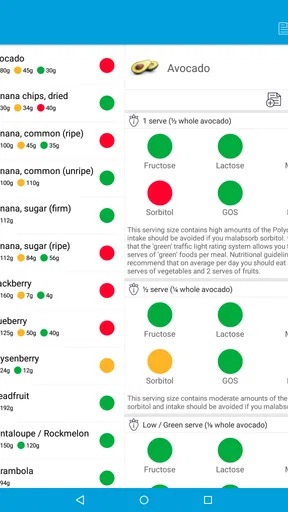
The food guide is particularly handy. It gives you a comprehensive list of foods along with their FODMAP content. Each food is color-coded, which makes it super easy to identify what's safe to eat and what you should avoid. Green is your go-to, amber is moderate, and red is a no-go if you're in the elimination phase.
Worth Reading Before You Choose

EA SPORTS FC Mobile 26 Is a Bigger Football Game, but It Takes Time

Flipboard Shows What News Apps Must Do Beyond the Feed

Switching to Android Auto Means Rethinking Your Driving Routine

Google Calendar Makes a Crowded Week Easier to Manage

Ludo King Makes the Most of the Minutes Between Plans

Baby Panda World Brings Quick Play to Modern Phones, but Its Game Library Feels Busy
How the food guide fits real decisions
I would treat the colors as a quick screening tool, then look closely at the food entry before deciding what to buy or eat. In a grocery aisle, that can save time: check the specific item you are considering, note its category, and make a choice that fits the phase of your plan. At a restaurant, the guide can help you identify ingredients worth asking about, but it cannot tell you exactly how a dish was prepared or what quantity the kitchen uses. That last step still takes a conversation with the staff.
A less obvious habit that can make the guide more useful is to check foods before building a meal, not just after symptoms appear. If you are combining several ingredients, reviewing each one can make it easier to notice where uncertainty lies. I would avoid turning a green marker into permission to eat unlimited amounts: use the entry as guidance for the listed serving context and follow professional advice about portions. The practical value is not simply sorting foods into good and bad; it is making a more informed choice with less frantic searching.
Dive Into the Features
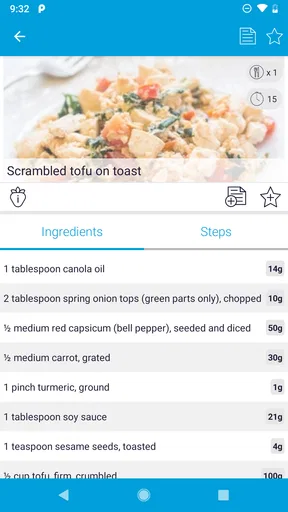
One of my favorite things about this app is the recipe section. You can find a variety of recipes that are not only low in FODMAPs but also delicious and easy to prepare. Whether you're craving something sweet or savory, there’s a good chance you’ll find something that hits the spot.
The symptom tracker is another useful feature. It allows you to log your meals, track symptoms, and monitor your progress over time. This can be incredibly beneficial when you're trying to pinpoint which foods are causing issues. Plus, having a visual representation of your progress can be really encouraging.
A realistic week with the tracker
Imagine planning a workday lunch while you are still figuring out your eating pattern. I would check the guide before shopping, choose a recipe that suits the plan I have agreed with my dietitian, and record the meal and any symptoms afterward. If discomfort follows, one entry by itself does not prove that a particular ingredient was responsible; I would look for repeated patterns across meals and note other relevant circumstances. This turns the tracker into a record to discuss at an appointment, rather than a tool for self-diagnosis.
For useful notes, consistency matters more than detail for its own sake. I would record meals soon after eating and describe symptoms in plain, comparable terms, instead of trying to reconstruct the day from memory at night. At the same time, I would keep the log manageable: if tracking every bite makes meals stressful, a simpler record of the foods and symptoms relevant to my plan is more sustainable. The app can organize observations, but it cannot interpret every possible cause or account for all the factors that affect digestion.
Where it beats broad diet tools
What sets this app apart from other diet apps is the scientific backing. Developed by the team that actually created the low FODMAP diet, you can trust that the information is accurate and up-to-date. You’re literally getting advice from the source! Plus, the app is continuously updated with new food items and research findings.
The app also offers educational resources. These include videos and tips on following the diet, making it a fantastic educational tool for anyone new to the FODMAP lifestyle.
That specialist focus is the main reason I would choose it over a general calorie counter, a broad recipe app, or a crowdsourced food list. Those alternatives may be better for tracking energy intake, finding a wider range of meal ideas, or collecting informal suggestions, but they may not answer the precise question of how a food fits a low FODMAP plan. Conversely, if I only wanted to save recipes or monitor calories, this app would be more specific than I need. It is a reference and learning companion, not an all-purpose nutrition dashboard.
When another approach may suit you better
If your main need is a personalized elimination and reintroduction plan, I would prioritize working with a dietitian rather than expecting any app to make those decisions for me. If you want a general symptom diary without a low FODMAP focus, a basic notes app or a broad health tracker may be enough. Someone who is not following this approach could also find the specialist food classifications distracting, particularly if they lead to unnecessary restriction.
There is also a practical trade-off in relying on a dedicated reference: it asks you to use its framework consistently. If you switch between the app, random online lists, and advice from social media, conflicting labels can make the process harder to interpret. I would choose one trusted reference for food checks and take questions about uncertain entries to a clinician. The app’s scientific origin makes it a compelling guide within its subject, but it does not make every online claim about the diet reliable or applicable to you.
Who Will Benefit?
If you’re suffering from IBS or any other digestive issues that seem to be food-related, this app could be a game-changer. It’s like having a dietitian in your pocket, guiding you through the intricacies of the low FODMAP diet. However, even if you're just curious about digestive health, the app provides a wealth of information that can be beneficial.
I think it is especially well suited to someone who has already decided, with appropriate guidance, to try a low FODMAP approach and wants a dependable food reference close at hand. It can also help a caregiver who shops or cooks for someone following the plan, because checking ingredients before a meal is easier than trying to remember every classification. It is less suitable for someone looking for a quick cure, a diagnosis, or permission to exclude a growing list of foods without a plan to reassess them.
One useful way to avoid making the process feel bigger than it needs to be is to keep the app tied to a specific task. For example, use the guide while making a shopping list, consult recipes when you need meal ideas, and open the tracker when you have a clear reason to record a meal or symptom. You do not need to turn every meal into a research project. If the diet begins to feel socially or emotionally difficult, that is a good reason to discuss the approach with a professional rather than simply tightening the rules.
What paying for it changes
The $9.00 price makes sense to me if I expect to use the food guide repeatedly during shopping, meal planning, or the early learning stage. It is harder to justify if I only need occasional information or already have a professional providing the reference materials I need. The value is in having a focused resource in one place, not in a promise that the app will identify a personal trigger automatically.
The app has been available since Nov 6, 2013, and its current version is 3.3. It requires OS 9 or later, so I would check that my device can run it before paying. A long-running specialist app may feel less expansive than a modern all-in-one wellness platform, but breadth is not its purpose. I would judge it by whether the core food and learning resources make my particular routine easier to manage.
Switching away later is not complicated in principle, but any tracking habit you build is only useful if you can still refer to the records you need. Before changing tools, I would make sure I have preserved the observations I want to discuss with a clinician and settled on another reliable way to check foods. The real switching cost is less about learning another interface and more about losing continuity or ending up with conflicting references during a sensitive stage of the diet.
Final Thoughts
In a world full of apps promising the moon and stars, the Monash University FODMAP diet app delivers genuinely valuable content. It's practical, easy to use, and backed by scientific research. Whether you're just starting out or have been on the FODMAP journey for a while, this app can offer guidance, support, and a little peace of mind.
So, if you're ready to take control of your digestive health, give this app a try. You just might find that it makes navigating your dietary needs a whole lot easier.
My recommendation in plain terms
I would pay for it if low FODMAP food decisions are part of my regular routine and I want a specialist reference connected to Monash University’s work. I would skip it if I am only browsing, need broad nutrition tracking, or am hoping an app will replace professional help. For the right person, it can make everyday choices feel less like guesswork; its best use is as a steady companion to a thoughtful plan, not as the plan itself.
Pros
- Comprehensive food database.
- User-friendly interface.
- Regular updates with new data.
- Provides meal planning tips.
- Helps track dietary progress.
Cons
- Requires internet connection.
- Limited customization options.
- Premium features are paid.
- Occasional app crashes.
- No offline mode available.
FAQs for Monash University FODMAP diet
What is the Monash University FODMAP Diet app?
The Monash University FODMAP Diet app is designed to help users manage symptoms of irritable bowel syndrome (IBS) by following a low FODMAP diet. It provides comprehensive resources, including a food guide, recipes, and meal plans curated by experts. The app also features a symptom tracker to monitor your progress.
How can the app help manage IBS symptoms?
The app helps manage IBS symptoms by guiding users through the process of identifying and eliminating high FODMAP foods. It offers a database of foods with FODMAP ratings, allowing users to make informed dietary choices. Additionally, the app provides tips and recipes for creating low FODMAP meals that minimize discomfort.
Is the Monash FODMAP app suitable for everyone?
While the app is primarily designed for individuals with IBS looking to manage their symptoms through diet, it can be beneficial for anyone interested in learning more about FODMAPs. However, it is recommended to consult with a healthcare professional before making significant dietary changes, especially for those with specific health conditions.
Does the app provide personalized dietary recommendations?
The app does not provide personalized dietary recommendations, but it does offer a wealth of general guidance on low FODMAP eating. Users can customize their experience by tracking symptoms and experimenting with different foods. For personalized advice, consulting a dietitian familiar with FODMAPs is advisable.
How frequently is the food database updated?
The Monash University team regularly updates the food database to include the latest research findings on FODMAP content in various foods. This ensures users have access to the most current information. Updates may also include new recipes, tips, and meal planning resources, enhancing the app's utility over time.


